
Structural Assessment & Inspection Reports
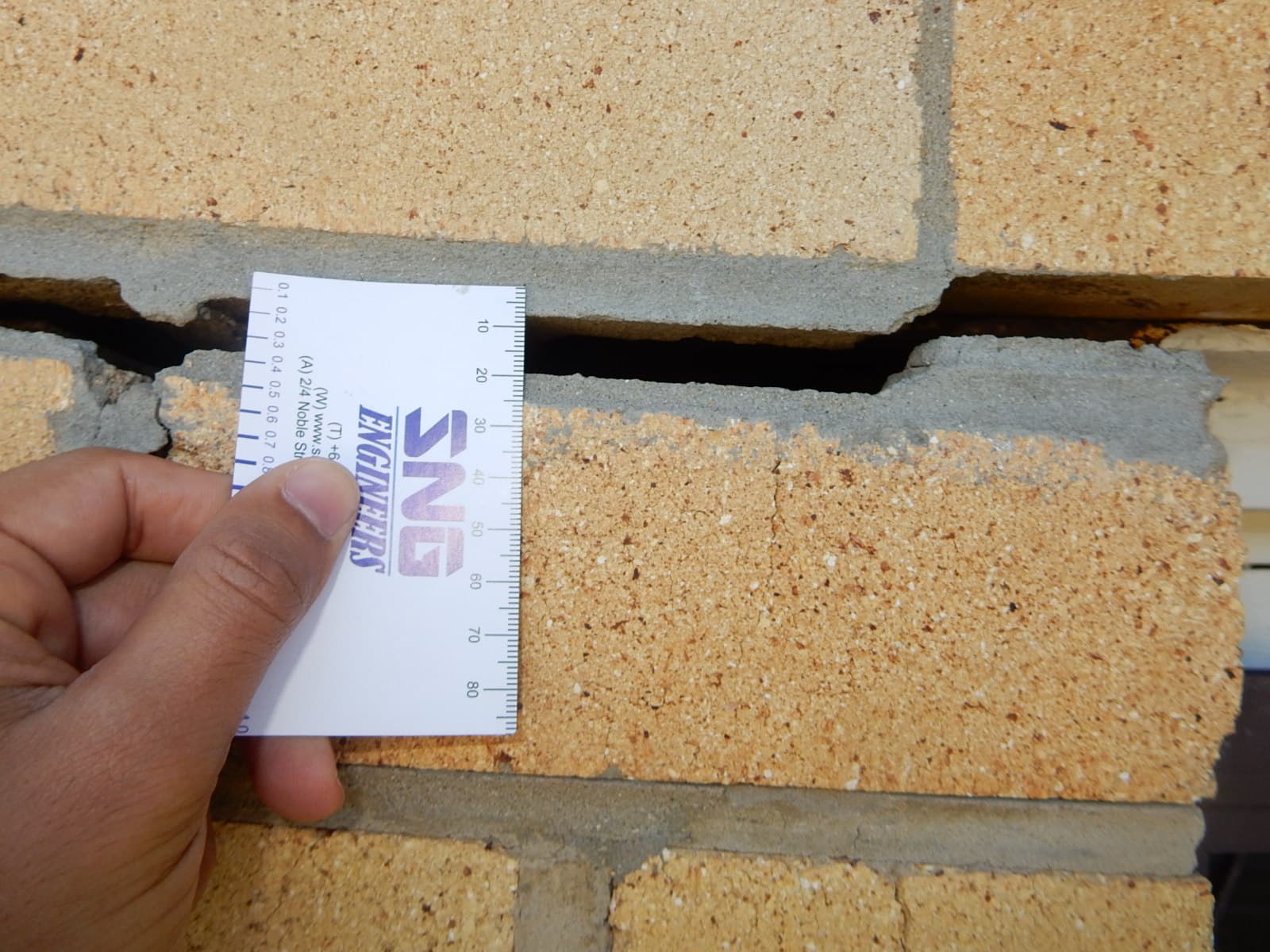
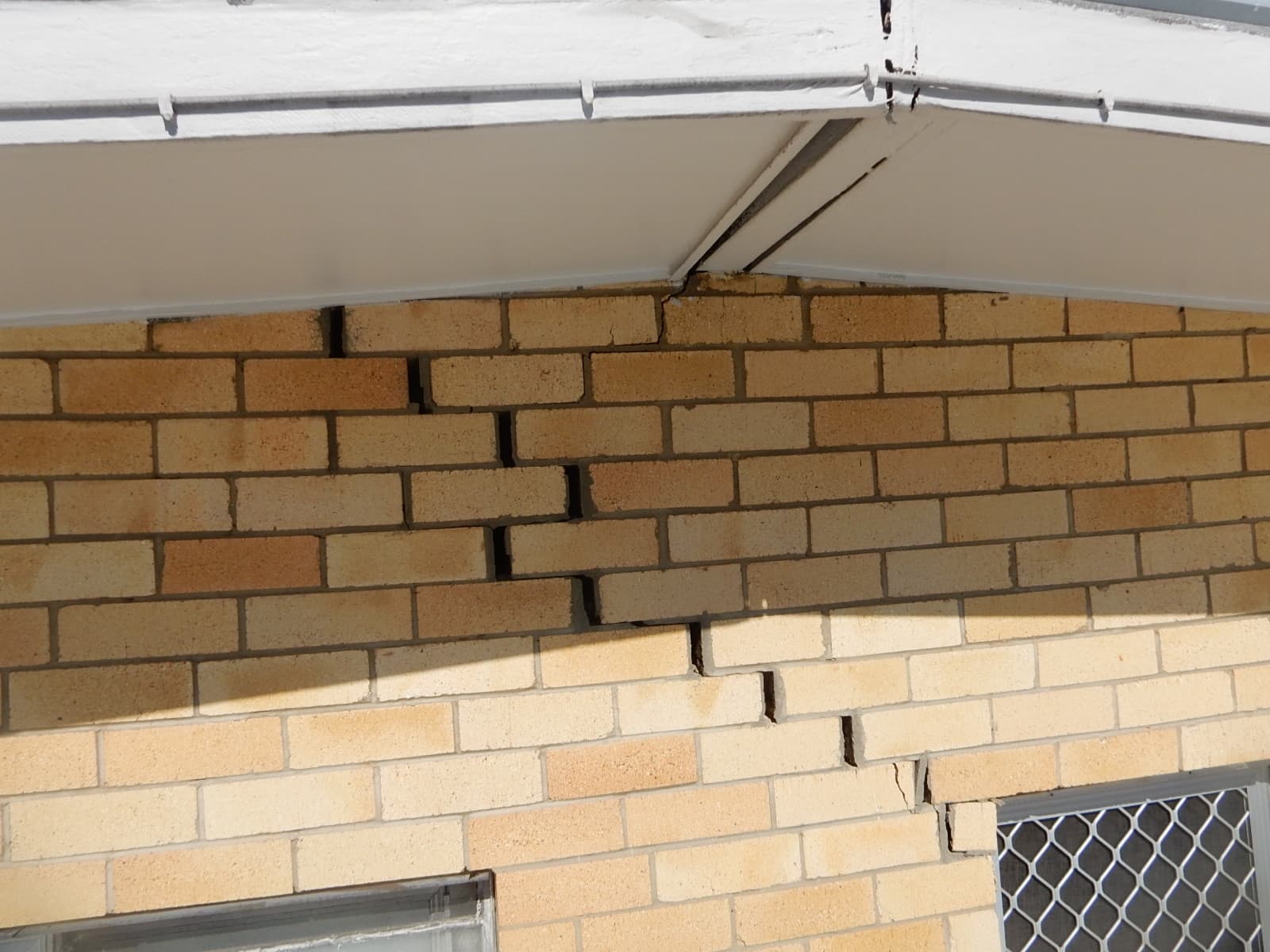
A structural assessment identifies the root cause of cracking, movement, or deflection in an existing building — and diagnosing that cause correctly is what determines whether the fix is straightforward or expensive. SNG Engineers investigates structural cracks, wall and slab movement, and deflection in floors and beams to get to the underlying cause and recommend the right remedial solution.
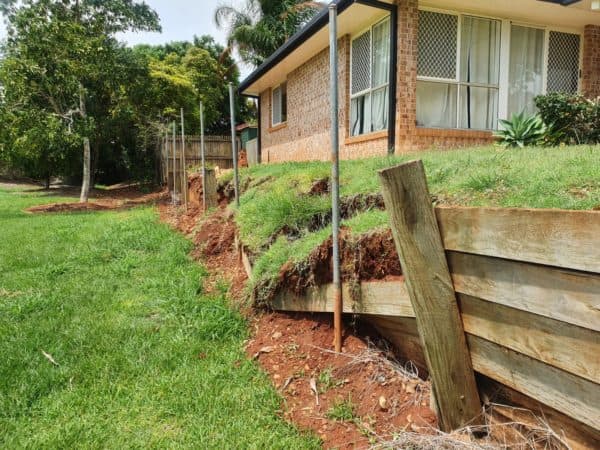
While adherence to Australian Standards and the National Construction Code generally prevents structural problems, unforeseen factors such as extreme weather events, fire, reactive soil movement, or termite infestation can cause damage that cannot be predicted during the design and construction phases. Poor construction practices or design deficiencies may also result in structural failure. In such cases, an experienced structural engineer can determine the cause and recommend appropriate remedial solutions.
At SNG Engineers, we bring extensive experience in diagnosing structural issues — from hairline cracks to significant movement — and providing effective, practical solutions tailored to each situation.
Types of Structural Assessment & Inspection Reports We Provide
Pre-Purchase Structural Investigations
Where a building and pest inspection flags a concern worth a closer look before you commit to buying. Usually a site visit followed by a detailed email report — a full forensic report often isn't necessary at this stage.
- On-site assessment by a qualified engineer
- Email report: observations, likely cause, recommended action
- High-quality photographs
- RPEQ-signed documentation
Insurance & QBCC Claim Reports
Formal reports supporting an insurance or QBCC Home Warranty Scheme claim for structural damage or defective building work. QBCC claims for structural defects must be lodged within 3 months of noticing the issue — our report gives you the documented root-cause analysis a claim needs.
- Slab spot levels and measurements
- Council searches and relevant documentation
- Root-cause analysis of the structural failure
Dilapidation Reports
A photographic record of a property's condition before major construction starts nearby, protecting both sides if a dispute over damage comes up later. Different from a building defect report, which covers non-structural issues and doesn't require a structural engineer.
Getting the right diagnosis matters more than the report itself — a structural assessment is only useful if it correctly identifies what's actually causing the cracking, movement, or deflection, since that's what determines whether the fix is a simple repair or something far more involved. SNG Engineers provides RPEQ-signed findings you can act on, whether that's for your own peace of mind, a property purchase, or an insurance or QBCC claim.
Frequently Asked Questions
Is a crack in my wall or slab something to worry about?
Not every crack indicates a structural problem — fine hairline cracks in cornices or paint are often just normal settling or seasonal movement. But cracks that are wide, stepped, growing over time, or appear alongside doors and windows sticking or visibly uneven floors are worth having assessed, since they can point to a genuine structural cause that's better addressed early.
What's the difference between a pre-purchase inspection and a full structural report?
A pre-purchase inspection is typically a site visit followed by a detailed email report — enough to give clarity on whether a concern raised in a building and pest inspection is structural, and how serious it is. A full formal report, with slab spot levels, council searches, and detailed root-cause analysis, is usually reserved for insurance or QBCC claims where that level of documentation is required.
Do I need a structural engineer or a building inspector?
It depends on what's being assessed. Non-structural building defects — sagging ceilings, waterproofing issues, cosmetic damage — are within a building inspector's scope. Cracking, movement, or deflection that could indicate a structural cause needs a structural engineer to diagnose it correctly, which is what determines whether the fix is straightforward or significant.
What causes structural cracking or movement in a home that wasn't there before?
Reactive soil movement, extreme weather events, fire damage, termite infestation, and poor original construction or design are the most common causes we see. Adherence to the Australian Standards and National Construction Code generally prevents structural problems, but these unforeseen factors can still cause damage after a building is complete — an assessment identifies which of them is actually responsible in your case.